November Fogs Settle Over Bucharest While Summer Photos Sell the Same Streets

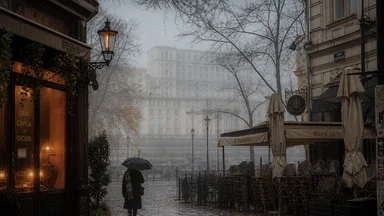
Bucharest's travel brochures are stuck in July. They show sun-drenched boulevards, café terraces spilling onto cobblestones, and parks thick with summer leaves. But November paints a different picture: fog settles over the same streets, temperatures hover in the single digits, and the outdoor seating disappears. The gap between the image and the reality is wider than most travelers expect, and it costs more than a few missed photo ops. This is a look at what actually shifts in Romania's capital when the calendar flips to the last stretch of the year, told through the lens of a budget-conscious traveler who values honest expectations over glossy marketing.
The Postcard Never Shows November
The postcards that sell Bucharest are stuck in a perpetual summer. They show the Arcul de Triumf against a clear blue sky, the fountains of Piața Unirii sparkling in late-afternoon light, and the leafy boulevards that earned the city its nickname, "Little Paris." What they never show is November, when the fog rolls in from the Dâmbovița River and wraps the same landmarks in a damp, grey blanket.
November in Bucharest means daily highs of around 5–10°C and long stretches of overcast skies. Rain is common, though rarely heavy; it's more often a persistent drizzle that soaks through anything less than a waterproof shell. The city's famous parks, like Herăstrău and Cișmigiu, lose their leaves by mid-month, leaving bare branches against a muted sky. The contrast with the summer images is stark, and it catches many visitors off guard.
The tourism board's own materials don't help. A quick scan of official websites and travel agencies shows that the default imagery is almost always from June or July. This isn't malicious; it's simply that photographers shoot when the weather cooperates. But for a traveler planning a November trip based on those images, the letdown can be real. The streets are still beautiful, but in a different, quieter way that requires a shift in expectations.
Shoulder season in Bucharest is a gamble. Some years, November brings clear, crisp days that rival autumn in Paris. Other years, the fog doesn't lift for two weeks straight. The average traveler should plan for the latter and be pleasantly surprised by the former. That means packing for damp cold, scheduling indoor backups, and accepting that the city's famous outdoor café culture is on hiatus until spring.
What the Brochures Quietly Skip
The most obvious omission in the summer-heavy marketing is the fate of Old Town's outdoor terraces. By late October, most of the tables that spill onto the streets of Lipscani are packed away, replaced by plastic sheeting and space heaters at the few that remain. The lively, al-fresco drinking scene that defines a summer visit simply doesn't exist in November. The indoor bars and pubs stay open, but the atmosphere shifts from boisterous to cozy.
Therme Bucharest, the sprawling thermal spa complex on the city's outskirts, remains a reliable warm-weather draw. Its indoor pools and saunas are open year-round, and the tropical-themed gardens under glass roofs are a welcome escape from the grey. But November brings its own crowds: locals, like tourists, seek refuge from the cold, and the queues for entry can stretch well beyond the summer average. Booking ahead is wise, and weekend visits are best avoided if you value personal space.
The Palace of Parliament, one of Bucharest's most visited attractions, also adjusts its rhythm. Tour times shrink in winter, with fewer English-language slots available and some days reserved for official functions. The same ticket price applies, but the flexibility of a summer afternoon visit disappears. It's worth checking the official schedule a week ahead and locking in a slot.
The Village Museum, an open-air ethnographic park, stays open but becomes a slippery proposition. The wooden walkways and dirt paths turn muddy after rain, and the historic houses, while charming, offer little shelter from the elements. A visit is still possible, but it's a test of footwear and resolve. The summer photos show children running through green lawns; November shows a few bundled-up visitors picking their way carefully between puddles.
The Real Cost Shift: November vs. July
For most travelers, the financial argument for November is the strongest one. Hotel rates in Bucharest drop by roughly 30–50% compared to the July peak, depending on the property and location. A mid-range hotel room that goes for around 300–400 lei a night in summer might be closer to 200–250 lei in November, and luxury properties often see even steeper discounts. The savings are real, but they come with a caveat: the cheapest deals are often in older buildings where heating can be inconsistent.
Flights from Western Europe also follow the seasonal curve. Budget carriers that fly to Bucharest's Henri Coandă Airport often halve their fares in November, with round-trip tickets from London or Berlin available for as little as 50–80 euros if you book a few weeks out. The catch is that November is also a time of weather-related delays, and the low-cost airlines' thin schedules mean fewer rebooking options when things go wrong.
Museums and attractions, by contrast, keep their entry fees flat year-round. The Palace of Parliament charges the same ticket in November as in July, and the National Museum of Art's permanent collection doesn't drop its price just because the crowds are thinner. This is a hidden cost of shoulder-season travel: the headline savings on accommodation and flights are partially offset by fixed admission prices and the need to spend more on indoor activities like spa visits or museum cafés.
Food markets like Piața Obor remain a constant. The indoor hall is open year-round, and the produce stalls, butcher counters, and cheese shops operate on the same schedule regardless of the weather. Prices for staples like bread, cheese, and fruit are stable, and the market is one of the few places where a November visit doesn't feel like a compromise. A full meal of mici and fries from the market's grill stands costs roughly 20–30 lei, a bargain that doesn't waver with the season.
When Fog Actually Helps Your Wallet
Beyond the obvious savings on flights and hotels, November brings subtler financial advantages. The most significant is the drop in tourist numbers. The Palace of Parliament, which can have queues of an hour in July, often allows same-day entry with a wait of less than ten minutes in November. The same applies to the National Museum of Art and the Museum of the Romanian Peasant, where the galleries feel almost private on weekday afternoons.
Guided tours, which in summer are often sold out days in advance, become negotiable in November. Independent guides who normally charge a fixed rate for a walking tour are more willing to adjust prices or offer private tours at group rates. A four-hour walking tour of Old Town and the Civic Center that might cost 80–100 euros in peak season can sometimes be had for 50–60 euros in November, especially if you book directly and avoid the platform markup.
Restaurants also adjust to the quieter season. Many mid-range places introduce lunch menus specifically to attract the thin trickle of office workers and tourists. A three-course lunch at a decent restaurant in the city center can cost as little as 35–45 lei, a price that vanishes by summer. The quality is often identical; the motivation is simply to fill seats.
Public transport, which in summer is packed with tourists and locals alike, runs more comfortably in November. The metro and tram network operates on the same schedule, but the carriages are emptier, and you're more likely to get a seat on the longer journeys across the city. This might not save money directly, but it reduces the temptation to overpay for taxis or ride-hailing services when the weather turns unpleasant.
The Data Is Stale, So Hedge Everything
Any cost breakdown for Bucharest comes with a warning: the numbers shift, and they shift faster than most guidebooks can keep up. A 2019 travel guide that lists a restaurant's main course at 25 lei is likely outdated; the same dish now costs closer to 40 lei. Inflation, exchange rates, and seasonal demand all play a role, and the gap between printed prices and actual receipts grows every year.
Consider a concrete example: at Caru' cu Bere, a historic restaurant in the Old Town, a plate of sarmale (cabbage rolls) with polenta and a glass of local wine will set you back around 45–55 lei in 2024. Five years ago, the same meal was advertised at roughly 30 lei. That's a 50% increase in half a decade, a jump that outpaces the official inflation figures and reflects the restaurant's popularity with tourists. Similarly, a cappuccino at a specialty café like Origo, near Piața Romană, has climbed from about 8 lei in 2019 to 12–14 lei today. These are not isolated cases; they represent a broader trend that affects everything from museum tickets to market produce.
Fares on public transport are a prime example. The single-ride metro ticket has been a subject of periodic price adjustments for years, and the exact cost depends on when you read this. A safer estimate is that a one-way ticket costs roughly 3–5 lei, but the only reliable way to know is to check the Metrorex website or the ticket machines themselves. The same applies to bus and tram fares, which are integrated into the same system.
Exchange rates compound the uncertainty. The Romanian leu trades against the euro and the dollar, and the rate can swing by a few percent within a week. A traveler who budgets in euros should add a 10% buffer to account for unfavorable shifts. This is not a prediction; it's a hedge. The same logic applies to hotel prices, which can vary by 20% between booking platforms and direct reservations.
Opening hours are another moving target. Museums in Bucharest often adjust their schedules for winter, with some closing an hour earlier or taking a different day off. The Village Museum, for instance, has seasonal hours that can shorten by two hours in November. The official tourism website is the best source, but even that can lag behind a sudden change. The practical takeaway is to confirm any time-sensitive plan within 48 hours of your visit, either online or by phone.
What to Pack Instead of a Swimsuit
The most common packing mistake for November Bucharest is bringing clothes suited for a summer that won't happen. A swimsuit, unless tied to a visit to Therme, is dead weight. Instead, the key is layering. A base layer of thermal underwear, a wool sweater, and a waterproof shell will cover most conditions. The damp cold seeps through cotton, so wool or synthetic fabrics are worth the extra cost.
Footwear is the other non-negotiable. The cobblestones of Old Town become slick with rain and fallen leaves, and a pair of shoes with good grip prevents a fall that could ruin a trip. Waterproof boots with a lug sole are ideal; running shoes with flat soles are a gamble. A compact umbrella is more practical than a raincoat in the city's drizzle, since it can be deployed quickly without removing a backpack.
Scarf, gloves, and a hat are essential, not optional. The wind off the Dâmbovița can make 5°C feel like freezing, and the city's wide boulevards offer little shelter. A thermal scarf that can be pulled up over the face is a small investment that pays off on a foggy morning walk.
Indoor comfort matters too. Many older buildings in Bucharest have inconsistent heating, so a light fleece or cardigan is useful inside museums and cafés. A reusable water bottle and a few energy bars are practical for the long stretches between meals, especially if you're walking the city's generous distances. The goal is to be comfortable enough to enjoy the fog, not to fight it.
November Nights: Where the Locals Go
When the sun sets around 4:30 PM, the city doesn't shut down; it moves indoors. November is when Bucharest's nightlife shifts from rooftop bars to basement clubs and cozy pubs. In the Old Town, places like Control Club and Expirat host live bands and DJ sets that draw a mixed crowd of students and regulars. Cover charges are typically in the 10–20 lei range, and drinks are cheaper than in summer, when tourists inflate prices. A pint of local Ursus or Ciucaș costs around 8–12 lei at most bars, a fraction of what you'd pay in Western European capitals.
For a more cultural evening, the Romanian Athenaeum and the National Opera offer symphony concerts and operas at prices that are a steal compared to similar venues elsewhere. A ticket to a Friday night concert at the Athenaeum can be had for as little as 25–40 lei if you buy in advance. The season runs through November, and the program often includes works by Enescu and other Romanian composers. The audience is a mix of locals and a few savvy tourists, and the atmosphere is formal but welcoming.
If you're after something more casual, the city's growing craft beer scene is worth exploring. Breweries like Bereta and Hop Hooligans have taprooms that stay open late, offering flights of local brews for 30–50 lei. The spaces are warm and industrial-chic, with exposed brick and communal tables that encourage conversation. On a foggy night, these taprooms become gathering spots where you can chat with expats and locals about everything from football to politics.
For those who prefer a quieter evening, many of the city's cinemas, like Cinema Elvire Popesco or the Romanian Peasant Museum's cinema, screen independent and classic films. A ticket costs around 15–20 lei, and the screenings often include Q&A sessions with directors or critics. It's a way to experience Romanian culture beyond the tourist trail, and it's a perfect escape from the damp cold.
The Verdict: Go, But Adjust Your Expectation
Bucharest in November is not the city in the brochures, but it is a city worth visiting. The fog softens the brutalist architecture of the Civic Center, giving it a melancholy beauty that summer's harsh light masks. The quieter streets make it easier to notice the details, from the faded frescoes on old churches to the art-nouveau facades that survive in the backstreets.
The savings are real, but they come with a trade. You trade sunshine for atmosphere, and you trade the energy of summer crowds for a more contemplative pace. The indoor culture, from the coffeehouses of the Old Town to the galleries of the National Museum, takes center stage. A November visitor who embraces this will find a city that rewards patience and layers.
But the fog is not for everyone. Travelers who need warmth, who want to sit outside with a beer and watch the world go by, will be disappointed. The short daylight hours, with sunset around 4:30 PM, also demand a tighter daily schedule. This is not a destination for a spontaneous evening stroll; it's a place for planned indoor activities and early dinners.
So, is the fog worth it? That depends on what you're looking for. If you're after a city that feels like a secret, where the prices are lower and the locals are more relaxed, then November is your month. If you're chasing the sun, you'll be better off waiting for spring. But if you're willing to trade a little warmth for a lot of atmosphere, pack your wool socks and come see Bucharest as it really is in the off-season. The fog will be waiting, and it has its own story to tell.