Bangkok Market Stalls Open at Dawn While Payment Apps Reject Foreign Cards After Dark

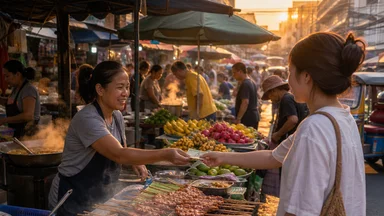
Bangkok's street food markets run on a clock that has little to do with tourist schedules. The serious eating happens in the cool hours before sunrise, when vendors set up charcoal grills and woks over roaring flames. By 10 a.m., many stalls are already packing down, hosing off concrete, and disappearing until the next day. If you arrive at noon expecting the same scene, you'll find shuttered metal shutters and a faint smell of fried garlic. The rhythm is a challenge for visitors used to all-day dining, but it's also the secret to eating well without spending much.
Dawn Cash Wins, Night Cards Fail
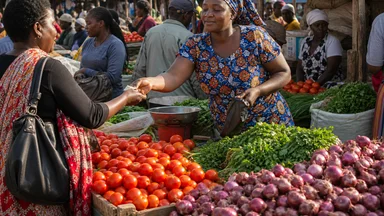
Most Bangkok markets open between 5 and 6 a.m., though the busiest hours are often 6 to 9. The famous Or Tor Kor market near Chatuchak starts its produce stalls early, and the cooked-food section is fully running by 7. Street-side clusters in the old town, like the ones near Saphan Taksin or along Charoen Krung, follow a similar pattern. Vendors arrive before first light to set up, and the first customers are often market workers and tuk-tuk drivers grabbing a cheap breakfast.
Cash is the universal language at these stalls. A vendor will happily accept a 100-baht note for a 40-baht plate of pad thai, but they will not touch a credit card. The card terminals you see in malls and tourist restaurants are almost absent on the street. Even in markets that have adopted QR code payments, the system is built for Thai bank accounts. Foreign tourists rarely have those, and the workarounds are clunky.
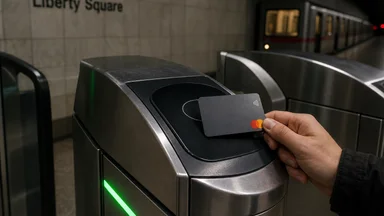
Payment apps like PromptPay and TrueMoney Wallet are ubiquitous among locals, but they require a Thai bank account or a local SIM with a linked wallet. Foreign cards are often blocked entirely, or the app rejects them after a certain hour. Several travelers I spoke with described the same frustration: a stall accepts QR payments, you scan, the app asks for a Thai phone number, and you're stuck. The workaround is cash, always cash.
After dark, the situation flips. Many street stalls that operated at dawn simply don't exist at night. The evening food scene is dominated by night markets like Chinatown's Thanon Yaowarat, but those are a different animal. Vendors there are more accustomed to tourists, and some accept cards, but the prices are higher and the queues are longer. The card terminals that do appear at night are often portable machines that work only with international cards, and they carry a fee.
Local vendors' wariness of evening tourists is not unfounded. Drunk customers, haggling disputes, and the occasional dine-and-dash make night business riskier. Many vendors prefer the steady, sober crowd of the early morning. If you want the best prices and the most authentic experience, set an alarm. The dawn market rewards early risers with lower prices and a genuine slice of city life.
What the 4 a.m. Coffee Costs
The classic Thai iced coffee, known as oliang, is a strong brew of coffee, sugar, and condensed milk served over ice. At a street stall, a small plastic cup costs between 20 and 40 baht, depending on the location and the quality of the beans. In tourist-heavy areas, the same cup might run 50 baht. The price difference is a good indicator of how much markup you're paying for convenience.
Fresh fruit smoothies are a staple of the morning market. A mango or papaya smoothie, blended with ice and a bit of sugar syrup, typically costs 30 to 60 baht. The price varies with the season and the fruit's ripeness. During the hot season, when mangoes are abundant, you can find them at the low end. In the cooler months, prices creep up.
A plate of pad thai, the stir-fried noodle dish that defines Thai street food, runs between 40 and 80 baht at most stalls. The variance depends on whether the stall uses shrimp, chicken, or just tofu, and whether it's in a tourist zone. The same dish in a sit-down restaurant will cost double. The street version, cooked over high heat in a well-seasoned wok, is often better.
Mango sticky rice, the beloved dessert of sweet coconut sauce over glutinous rice, is priced between 50 and 100 baht. The higher end is usually at stalls that use premium mangoes or offer extra coconut cream. At dawn, you might find it for 50 baht. By mid-morning, as the fruit ripens and the day warms, prices can rise by 20 to 50 percent. Vendors know that tourists will pay more later in the day.
If you're on a strict budget, a breakfast of coffee, a plate of noodles, and a piece of fruit will cost you around 100 to 150 baht, or about US$3 to $4. That's a fraction of what you'd pay at a hotel buffet. The trade-off is the early wake-up and the lack of air conditioning. But for many travelers, the experience of eating where locals eat is worth the sweat.
Hygiene Cues Locals Actually Use
Street food hygiene is a perennial worry for tourists, but locals have their own set of cues that go beyond the usual advice about ice and raw vegetables. The first thing Thais look for is the steam rising from boiling oil or broth. A stall that is constantly frying or simmering has less time for bacteria to grow. If the oil isn't bubbling, or the broth looks still, that's a sign to move on.
Another cue is utensil storage. Locals don't necessarily require gloves, but they do expect that clean utensils are kept in a covered container or a jar of water. If the vendor grabs a spoon from a bucket of murky water, that's a red flag. The key is whether the utensils are being reused without washing. A high turnover of customers usually means the utensils are being used and cleaned frequently.
Flies are an obvious but often ignored signal. A few flies buzzing around the fruit is normal in any tropical market, but a swarm over the cooked food is a problem. Locals will walk past a stall if the food is covered in flies, no matter how good it smells. The absence of flies suggests that the vendor is keeping the food properly covered and the area clean.
High turnover is the most reliable indicator of quality. A stall with a long line of locals is almost certainly safe to eat at, even if the queue looks intimidating. The food is being cooked fresh, the ingredients are moving quickly, and the vendor has a reputation to uphold. Conversely, a stall with no customers and a pile of pre-cooked food should be avoided, no matter how shiny the display looks.
Ice is a common concern, but the advice is simple: ask for block ice rather than crushed ice. Crushed ice is more likely to have been handled and stored improperly. Block ice is usually produced in commercial facilities and is safer. If you're unsure, skip the ice altogether and drink bottled water, which costs 10 to 20 baht.
The Payment App Trap Explained
The Thai payment app ecosystem is a maze for foreigners. The dominant app, PromptPay, is linked to a national ID and a bank account. Tourists can't easily open a local bank account without a work permit or a long-term visa, so the app is effectively off-limits. Some apps, like TrueMoney Wallet, allow foreigners to sign up with a passport, but the process is cumbersome and often requires a local phone number for verification.
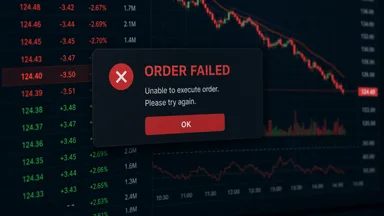
Even if you manage to set up a wallet, foreign cards are frequently blocked. Banks in Thailand have fraud detection systems that flag transactions from overseas cards, especially when they occur at odd hours. A purchase at 2 a.m. at a night market might trigger a security hold, and the transaction will be declined. This is why the title of this article is not hyperbole: payment apps reject foreign cards after dark, not because of a technical glitch, but because of fraud filters.
The practical solution is to carry cash in small denominations. A stack of 20 and 50 baht notes will get you through most market purchases. Vendors are often reluctant to break large bills, so having smaller notes is essential. You can get change at a 7-Eleven or a bank, but it's easier to plan ahead.
ATMs in Thailand charge a flat fee of 150 to 220 baht per withdrawal, depending on the bank. That's a significant cost for small amounts. To minimize the hit, withdraw larger sums less frequently. Some travelers open a travel card that reimburses ATM fees, but that's a personal finance decision. The simplest approach is to withdraw enough cash for a few days and keep it in a money belt.
The street food economy runs on cash, and the digital payment revolution that has swept other parts of Asia has not fully reached the dawn market. This is changing, but slowly. As of late 2024, some vendors in tourist areas have started accepting international cards, but the adoption is patchy. Don't assume your card will work; assume it won't, and you'll be pleasantly surprised when it does.
What to Skip, What to Savor
Not every market experience is worth your time or money. Floating markets, for example, are a tourist trap in many cases. The famous ones like Damnoen Saduak are crowded, overpriced, and the boat rides can cost several hundred baht. The food is often mediocre, and the vendors are more interested in selling souvenirs than feeding you. If you want a genuine floating market, you'd need to travel far from Bangkok, and even then, the experience is more about the novelty than the food.
Seafood buffets near tourist piers are another skip. These all-you-can-eat deals look like a bargain, but the quality is often low, and the seafood may not be fresh. The buffet is a recent invention for tourists, and it's not representative of Thai food culture. Instead, look for a stall that specializes in a single dish, like grilled river prawns or steamed fish, and pay for quality.
What you should savor is boat noodles, a rich, dark broth with pork or beef, served in small bowls. The best versions are found in the old town, around Victory Monument or along Khlong Saen Saep. A bowl costs 15 to 20 baht, and locals often eat several bowls in a sitting. The broth is deeply flavored with spices and herbs, and it's a perfect breakfast on a cool morning.
Grilled pork skewers, known as moo ping, are another dawn favorite. Vendors marinate the meat in a sweet-savory sauce and grill it over charcoal until charred at the edges. A skewer costs 10 to 15 baht, and they're best eaten fresh off the grill with a side of sticky rice. The combination is a classic Thai breakfast, and it's hard to beat at that price.
Coconut ice cream is a dessert that's worth seeking out. Vendors serve it in a coconut shell with a scoop of coconut flesh and a choice of toppings like peanuts, sweet corn, or sticky rice. A serving costs 30 to 50 baht. It's a refreshing treat after a spicy meal, and it's a good way to cool down as the morning heat builds.
Cost Breakdown for a Market Morning
If you're traveling solo, a full market breakfast of coffee, a main dish, a snack, and a dessert will cost you between 200 and 400 baht. That's roughly US$6 to $12, depending on the exchange rate. For two people, the total is 400 to 800 baht, or about $12 to $24. This is a generous estimate that includes multiple dishes and drinks.
Bottled water is a necessary expense in Bangkok's heat. A small bottle costs 10 to 20 baht, and you'll likely go through several in a morning. Factor that into your budget. If you're frugal, you can refill a reusable bottle at your hotel, but the tap water in Bangkok is not safe to drink, so stick to bottled or filtered water.
For a full day of eating, including lunch and dinner, you can expect to spend between 500 and 1,000 baht per person. That's $15 to $30, which is a steal compared to Western prices. The key is to eat where locals eat, which means avoiding the tourist-heavy areas and sticking to the markets and street stalls.
To put this in perspective, a single meal at a mid-range restaurant in Bangkok can cost 300 to 500 baht. So a day of street food is not only cheaper but also more varied. You can sample a dozen different dishes for the price of one restaurant meal. The trade-off is the lack of air conditioning and the need to be flexible about seating, which often means a plastic stool on the sidewalk.
The cost breakdown is a reminder that Bangkok remains one of the most affordable cities in the world for food, if you know where to look. The dawn market is the best place to start, both for the prices and for the experience. Just remember to bring cash and an empty stomach.
Data Stale? Check Before You Go
The information in this article is accurate as of late 2024, but things change quickly in Bangkok. Exchange rates fluctuate, and the baht's value against the dollar and euro shifts weekly. A price that was 40 baht last month might be 45 baht next month. Always check the current exchange rate before you travel, and be prepared for prices to vary.
Payment app policies are particularly volatile. Banks and app providers update their terms without much notice, and a workaround that worked last year might be blocked now. The best source of current information is other travelers. Check recent blog posts, forum threads, or social media groups dedicated to Bangkok street food. If you see a pattern of complaints about a specific app, assume it's still broken.
Market hours also change with the seasons. During the rainy season, which runs roughly from May to October, some stalls may open later or close earlier due to downpours. The dawn market is less affected by rain, but it's still wise to check with your hotel staff. They usually know the local patterns and can point you to the best stalls on any given day.
Hotel staff are an underrated resource. They live in the city and have their own favorite spots. Ask them where they eat, not where they recommend to tourists. The difference is often significant. A concierge might suggest a famous restaurant, but the bellboy will tell you about a noodle stall three blocks away that's been serving the same family recipe for decades.
Finally, trust but verify. The street food scene in Bangkok is dynamic, and the best stalls can disappear overnight. A vendor might retire, a building might be demolished, or a new market might open. The only way to stay current is to be flexible and ask around. The dawn market is a living thing, and it rewards those who pay attention.
Yet not all travelers will find the dawn market appealing. The early wake-up, the heat, and the lack of Western amenities can be off-putting. Some might prefer the convenience of a hotel buffet or a sit-down restaurant with air conditioning. For those travelers, the cost savings may not be worth the discomfort. The dawn market is not for everyone, and that's okay. It's a niche experience that rewards those who are willing to adapt.
For more on how early schedules and payment realities shape travel in other regions, see how Portuguese ferry timetables shift with the seasons, or how Baja California border checkpoints vary by lane. And if you're planning a trip to Southeast Asia, the same principles of cash and early starts apply in many other cities, from Hanoi to Phnom Penh.